How community and culture can come to life
Emily Rabe
Director, Marketing and Communications The Bishop Strachan School
Jun 02, 2026
Brand Thought Leadership
This is the final blog in a content series from the CMA Brand Council, exploring community and culture in relation to brand. Check out Part 1 here and Part 2 here.
Lessons to apply to different brands
In our previous explorations, we solidified the definition of community and how communities show up across digital landscapes. In this third and final instalment in our series, we will explore how the forces of community and culture interact to create a brand ecosystem that people don’t just buy into, but belong to.
To understand this evolution, let's look at a real-life community model: a grade school.
Start on the inside
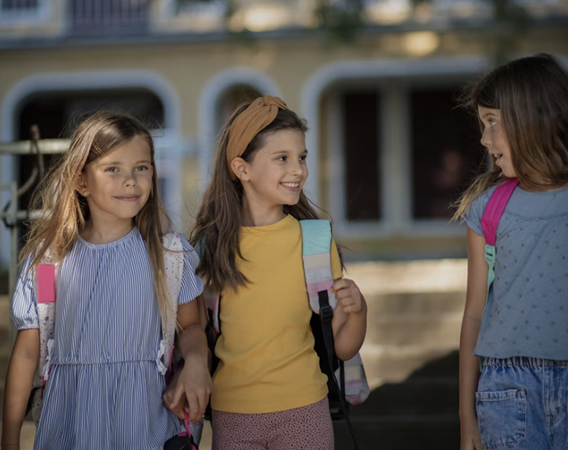
What makes a school’s brand unique is that the culture is often built from the inside out through the primary participants: students and teachers. While leadership provides the scaffolding, the daily interactions create the fabric of the community.
This fabric is built on meaningful moments and micro-connections which, when woven together, create the energy and the vibe that’s felt the moment you walk on campus. It’s the cheers after a presentation, a steady hand on a shoulder after a game is lost and quiet words of encouragement from a mentor between classes. These moments establish the school’s culture. They are not just what people see; but what they feel.
Beyond the vibe, schools are physical places where students can land, with trusted adults that are there to support, uplift and guide them. Students find their place with people who share their interests in the classroom and in extracurriculars. From this, students feel a sense of belonging – that essential need according to Maslow’s hierarchy, after basic needs and physical safety. According to the study Community and Well-being: Exploring Sense of Belonging Among Youth, the stakes of these connections are high: “A strong sense of belonging is associated with positive general health and mental health among youth—96 per cent of those with a strong sense of belonging also reported being in good physical health, and 86 per cent reported positive mental health”.
These cultural elements are rooted in human experience and do more than support the students; they create a bond that stretches across time, linking current, past and future generations. While a school may grow and evolve, the underlying feeling remains constant.
Seeking shared values
When a family chooses a school, they aren't just buying an education; they are auditing a culture. Along with academic rigour, breadth of extracurriculars, global excursions and leadership opportunities, they are evaluating the community and culture. Families seek an environment where the school’s priorities mirror their own. At its core, this is a search for belonging – that fundamental human need situated in the middle of Maslow’s hierarchy.
In a school setting, belonging is often thought of as being only for the students. But in reality, belonging impacts the whole family. Belonging is active, not passive and is built through key touchpoints that start before a student walks in on their first day. These moments can include:
- Welcome: Community begins at the point of acceptance. Receiving a branded item signals being part of the community. Get-to-know-you events and buddy programs facilitate the first threads of connection, allowing new families to cross the bridge from perspectives to members.
- Traditions that build community and culture: A foundational element of a school community is annual events, rituals and traditions that everyone partakes in. Barbecues, gatherings for coffee, holiday cookies and cocoa, and spring fairs are cultural tentpoles. Like annual student spirit events, these traditions create a sense of belonging as families feel part of something larger than themselves.
- Evolutionary culture: A healthy community maintains its core competencies while allowing today’s population to introduce new traditions, ensuring the culture feels fresh and relevant without losing its anchor. Because the culture is underscored by shared values, this evolution is a reflection of how they are expressed. By introducing new traditions, schools are listening to and learning from their community.
Community beyond campus
The impact of a values-driven culture doesn’t end at graduation; it expands. The school becomes a facilitator, acting as a shared origin to bring alumni together for professional or social connections. Alumni are drawn to one another because of their shared values, which act as a magnet creating an instant sense of trust and familiarity between alumni from all different years. The memories which act as cultural touchstones become shared currency between alumni, allowing the community to thrive beyond campus. When schools successfully foster this alumni community, it leads to the creation of brand ambassadors and loyal consumers, spreading positive word of mouth and ultimately people who will choose to send their own children to the same school, thereby continuing to contribute to, foster and promote the community.
Beyond schools
We understand that culture is a reflection of a community, and belonging is a desired outcome of this community. Whether in a school, or by buying a specific brand, the feeling of being on the inside is an outcome. Moving beyond passive to active community building is a loyalty play. From passive actions, like wearing merch, to active promotion including sharing with friends, brands can think about ways to move from transactional to meaningful relationships with customers. Brands can learn from schools, and do this by:
- Leading with values: brands should turn communications on their head: start with what they stand for, then use the product as a way to facilitate sharing this message. According to WGSN, “consumers often feel compelled to shop not because they need something but because they want to feel something.”
- Facilitating real-life connection: Bring people together. A recent study from Sparks Marketing found that 66 per cent of people feel more positive about a brand after engaging with them at a live event. An event doesn’t have to mean a large-scale activation; small, meaningful gatherings that allow customers to interact with each other, connect and ultimately feel a sense of belonging can build meaningful relationships and loyalty.
- Encouraging co-creation: Just as students shape a school’s culture, give your customers a hand in shaping yours. Ask what is meaningful to them, listen to understand and integrate their feedback into your brand’s traditions. Brands like Nike and Knix famously listen to understand their customers, hear their feedback and adjust accordingly. Consumers feel part of the process, deepening their connection with the brand.
Building a school community and culture takes time, resources and commitment; it’s the same for a brand. By anchoring your brand in shared values while remaining agile enough to let your community shape new traditions, you create a living ecosystem. When customers move from being passive consumers to active contributors, the brands have closed the loop with true loyalty.
Ultimately, people aren’t just looking for the best product or the most prestigious institution; they are looking for the place where they can belong. When a brand can provide that feeling, it becomes a cornerstone in its customers' lives.
Sources:
- Foran, Helen. October 2025. “Community and well-being: Exploring sense of belonging among youth.” Insights on Canadian Society. Statistics Canada Catalogue no. 75-006-X.
- https://www.wgsn.com/insight/p/article/68cca4fbd556203cc35ad6b1#page1
- https://www.wearesparks.com/articles/sparks-partners-with-event-marketer-to-unveil-comprehensive-experiential-marketing-research

LATEST PERSPECTIVES
|VIEW ALL
Know What You're Made Of
Marketing is changing faster than job descriptions can keep up. The same is becoming true of careers: the skills and ...